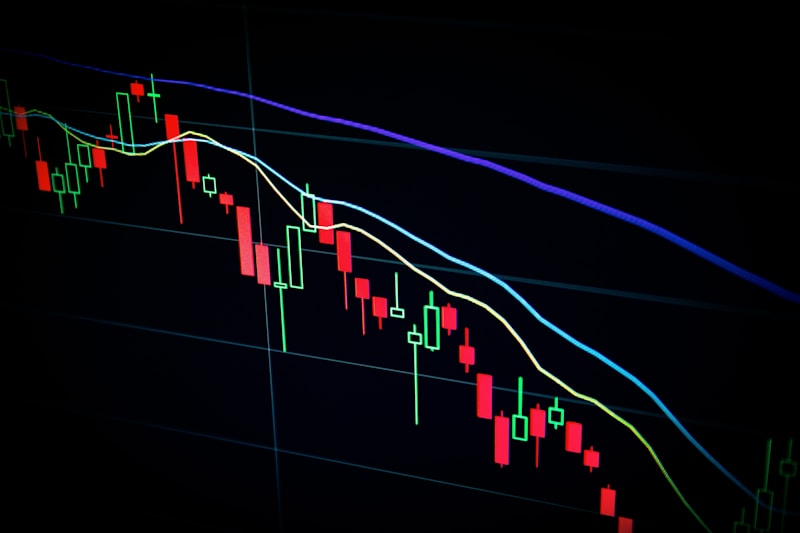
Equity: The Power of Both Trading and Investing

The equity market is a powerful platform for wealth creation, offering two distinct paths to profit: Equity Investing and Equity Trading. Rather than seeing them as mutually exclusive rivals, it is more beneficial to understand the unique merits of each approach. Both are valid, powerful strategies depending on your financial goals, time commitment, and risk tolerance.
🧭 Why Equity Investing is Excellent for Long-Term Wealth
Equity Investing is the foundational path to building substantial, long-lasting wealth. It's the strategy that rewards patience and conviction.
The Merits of Long-Term Investing
Harnesses Compounding Power
- ●Benefit: Compounding is the "eighth wonder of the world."
- ●Why it Works: When you hold shares for many years, the returns you earn begin generating their own returns, exponentially growing your capital over a 10- to 30-year horizon.
Minimizes Market Volatility
- ●Benefit: Short-term market swings are inevitable, but long-term investors ride out these fluctuations.
- ●Why it Works: By focusing on the company's fundamental performance (profits, growth), the daily noise becomes irrelevant.
Tax Efficiency
- ●Benefit: Many tax codes offer preferential treatment (lower tax rates) for gains realized from assets held for more than a year (Long-Term Capital Gains - LTCG).
Requires Less Active Time
- ●Benefit: Once an investment is made based on strong fundamental research, it requires minimal monitoring.
- ●Why it Works: This approach is ideal for working professionals and those seeking passive wealth growth.
Focuses on Quality
- ●Benefit: Investors focus on Fundamental Analysis, seeking out well-managed companies with sustainable competitive advantages (moats), strong balance sheets, and consistent earnings growth.
In essence, investing allows your money to work for you while you live your life.
⚡ Why Equity Trading is Excellent for Active Capital Growth
Equity Trading is an active, focused pursuit of capitalizing on the market's constant fluctuations. It's the path that rewards discipline, skill, and timing.
The Merits of Active Trading
Generates Quicker Returns
- ●Benefit: Unlike investing, where you wait years for substantial returns, trading can yield profits in minutes (intraday), days (swing trading), or weeks (positional trading).
- ●Why it Works: This allows for a much faster capital turnover.
Profits from Both Sides
- ●Benefit: Traders are highly versatile.
- ●Why it Works: They can profit when the market goes up (long positions) and when it goes down (short selling, where allowed). This makes trading less dependent on overall bull markets.
Requires Less Capital Per Trade
- ●Benefit: Trading often uses leverage (margin funding), allowing a trader to control a large position with a smaller amount of capital, amplifying both potential profits and losses. (Caution: Leverage is high-risk.)
Develops Valuable Analytical Skills
- ●Benefit: Traders master Technical Analysis, learning to read price charts, understand volume, and use indicators to predict short-term sentiment.
- ●Why it Works: This skill set is a professional, transferable asset.
High Liquidity and Flexibility
- ●Benefit: Trading typically focuses on highly liquid stocks, ensuring that a position can be opened and closed rapidly, offering great flexibility in capital deployment.
Trading is essentially taking control of your capital and actively generating income from market inefficiency.
⚖️ Conclusion: Use Both Strategies Wisely
The most sophisticated and resilient portfolios often use a hybrid approach:
- ●Core Portfolio (Investing): Allocate the majority of your long-term capital (e.g., 70-80%) to high-quality stocks and equity funds, utilizing the power of compounding for retirement and major goals.
- ●Satellite Portfolio (Trading): Allocate a small, segregated portion of your capital (e.g., 10-20%) to active trading, using it as a skilled activity to generate potential supplemental income.
Regardless of your chosen path, success in the equity market relies on two universal pillars: Education and Discipline. Understand the risks, stick to your strategy, and never risk more than you can afford to lose.
Related Topics:
Ready to Start Your Investment Journey?
Get personalized advice from our experienced investment advisor India team. Book a free consultation today!